FlemingClans.com

"Scotland's Fleming Clan: a Genealogical History" - coming in 2027!
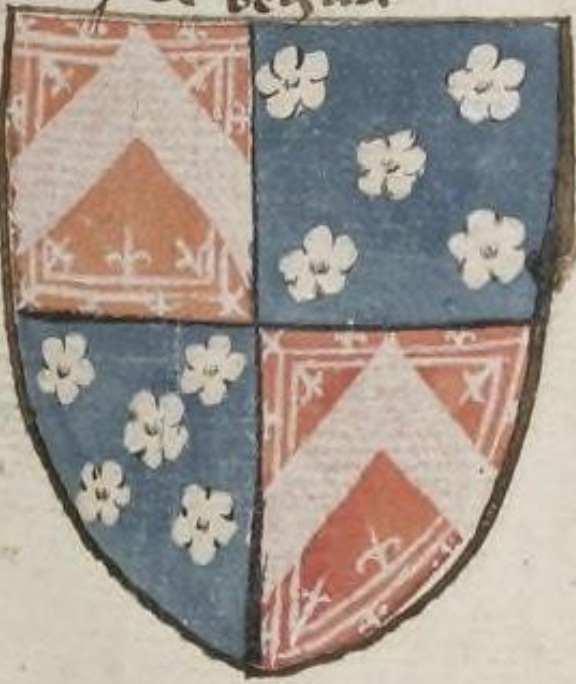 19th chief - John Fleming, 3rd Earl of Wigtown and 8th Lord Fleming
(c1608 - 1665)
Basic information about this person: \click here\
John, 3rd Earl of Wigtown, served as a soldier on the Covenanting side in the civil wars and lived through the Cromwellian occupation of Scotland. After the Restoration of Charles II he became a Privy Councillor and helped to bury the remains of his kinsman, the Marquess of Montrose.
Lord Fleming
John was born around 1608, the eldest son of John Fleming, 2nd Earl of Wigtown, and Margaret Livingstone. When his father succeeded as earl in 1619, the young John became Lord Fleming and Master of Wigtown. He studied at Glasgow in the 1620s and was made a burgess of Glasgow in 1629.
In 1634 his father settled the lordship of Cumbernauld, Biggar, Boghall, Denny and the other family estates on John and his wife, Lady Jean Drummond, eldest daughter of the 2nd Earl of Perth. In the same year he was appointed principal janitor and keeper of the king’s house and chamber, the hereditary office of the Lords Fleming.
Soldier of the Covenant
During the civil wars John served on the Covenanting committees of war for Lanarkshire and later for Dunbartonshire. His loyalties were watched closely: in June 1644 Parliament allowed him to go to the Border to speak with his brother William, a servant of the king, but only in the presence of two official observers.
He was present at the Battle of Philiphaugh on 13 September 1645, where the Covenanters defeated Montrose. In 1646 he was fined 6,400 pounds, although he managed to avoid paying it. As Major John Fleming, he attended the coronation of Charles II at Scone on 1 January 1651 and offered to serve that day as the king’s gentleman usher. In June 1651 he was named to the Committee of Estates that was to advise the king.
Earl under Cromwell
John succeeded his father as 3rd Earl in May 1650, only months before Cromwell’s victory at Dunbar. In September 1650 he was ordered to garrison and supply Cumbernauld Castle against the English. During the occupation that followed he lived quietly, managing heavy debts. In November 1659 he obtained a pass from General George Monck to travel into Scotland, shortly before Monck marched south to restore the monarchy.
Restoration
After the Restoration in 1660 John sat in Parliament and was appointed by Charles II as a Lord of the Privy Council in 1661. On 7 June 1661 he took a prominent part in the ceremonial burial of the dismembered remains of the Marquess of Montrose, his father’s cousin, who had been executed in 1650. In the same month Parliament awarded him 20,000 merks for giving up the office of usher, ending a long quarrel with the Cockburns of Langton, and he received repayment of money his father had lent to Montrose in 1644.
Family and legacy
John and Lady Jean Drummond had nine children: his heir John; Robert, standard bearer to the king; James; Harry; William, later 5th Earl; Charles; and daughters Margaret, Jean and Lilias. In 1661 and 1662 he settled the earldom on his son John and divided his property among his other children. He died in February 1665. His nickname, “the Soldier”, reflects a life shaped by war.